





Tajikistan finished the 2026 Asian Games in 22nd place after winning 16 medals — two gold, five silver and nine bronze — at the continental multi-sport event in Japan.
The 20th Asian Games were held from September 19 to October 4 in Aichi Prefecture and the city of Nagoya, bringing together more than 11,000 athletes from 45 countries. Athletes competed for 460 sets of medals across 43 sports.
Tajikistan sent 99 athletes competing in 21 sports to the Games, its ninth appearance at the Summer Asian Games.
Tajikistan doubles its previous best
The 16-medal haul is Tajikistan’s best-ever performance at a single Asian Games. The country’s previous record was seven medals, achieved at the Jakarta 2018 and Hangzhou 2022 Games, which were held in 2023.
Tajikistan’s medals in Aichi-Nagoya came in six sports.
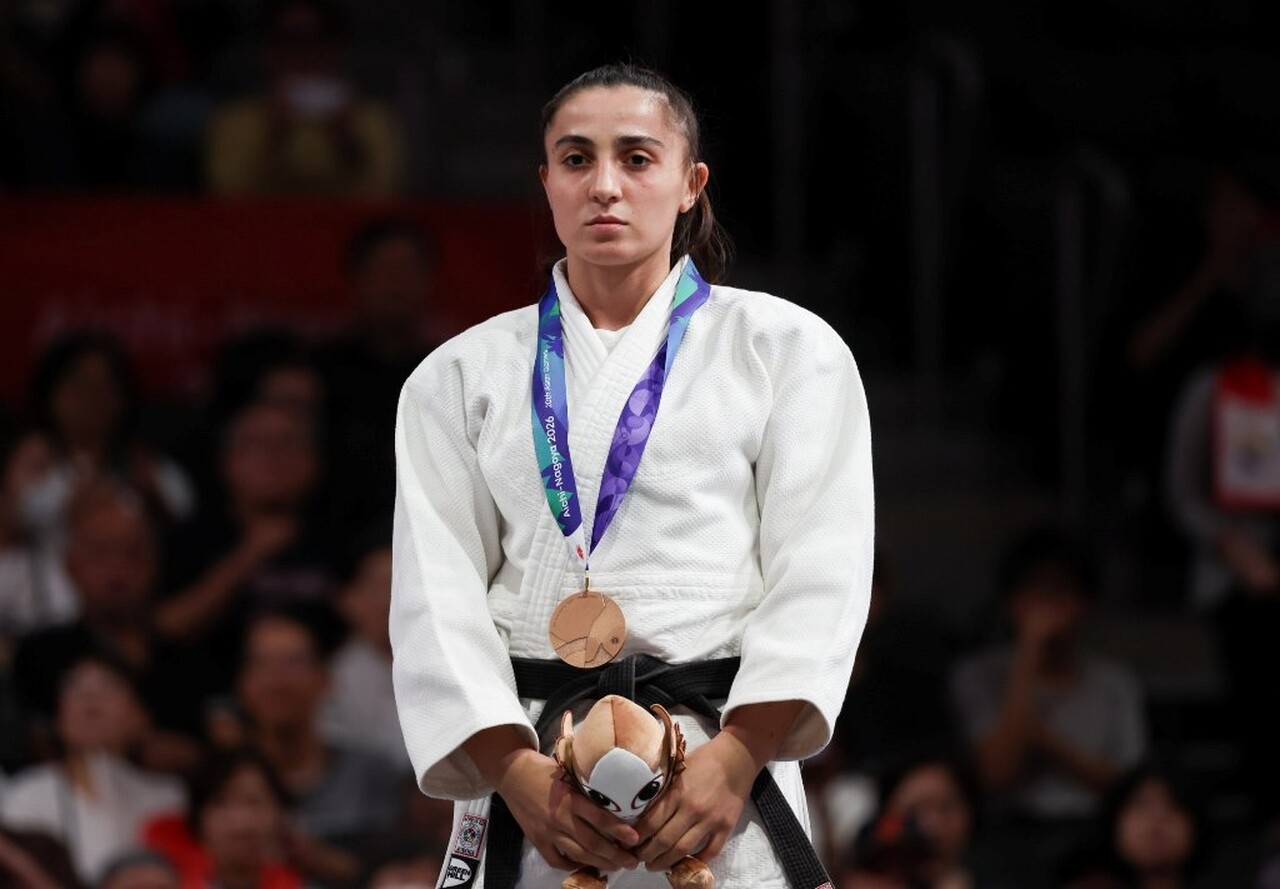
Judo produced the largest haul with four medals — one silver and three bronze. MMA athletes won three medals, including both of Tajikistan’s golds and one silver. Kurash also brought three medals — two silver and one bronze.
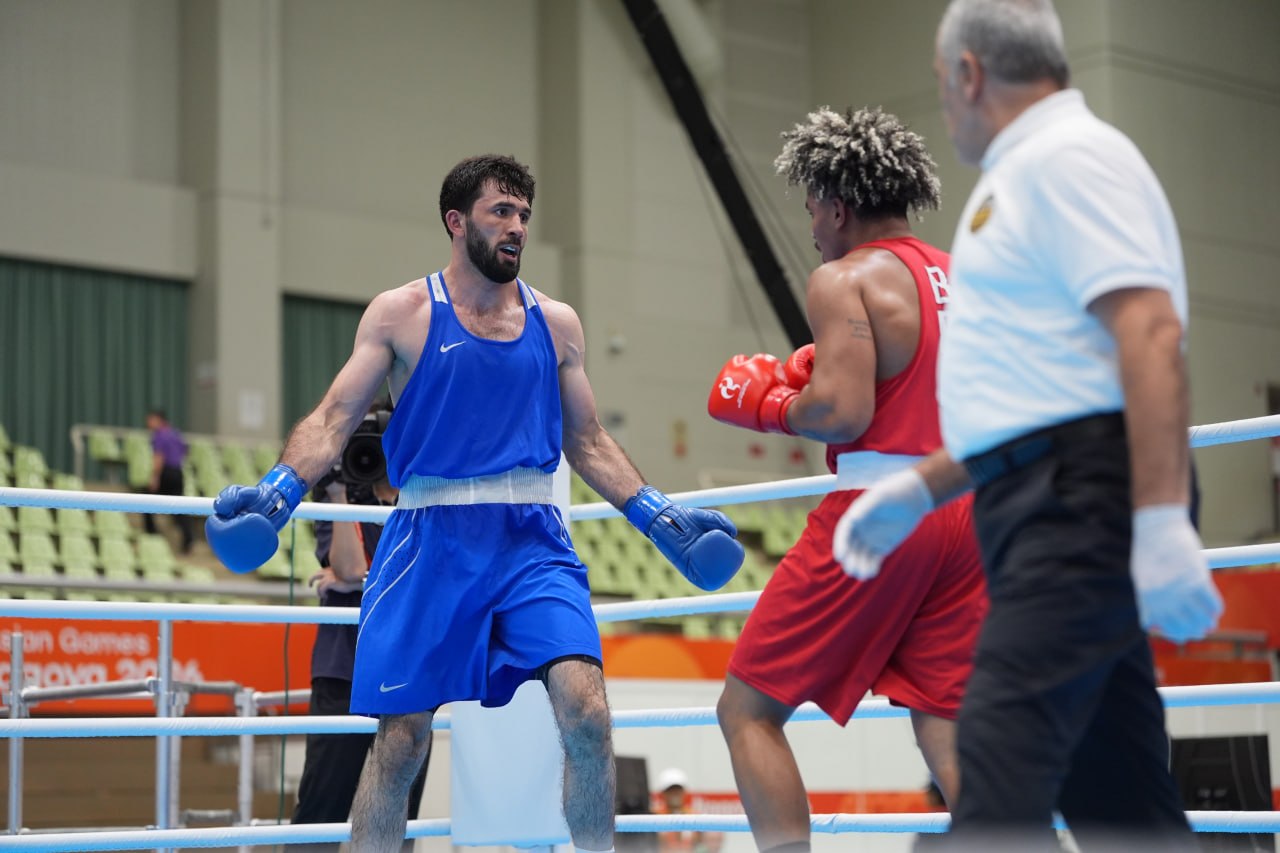
Freestyle wrestlers won three medals — one silver and two bronze — while Tajik boxers took two bronze medals. Karate contributed one bronze.
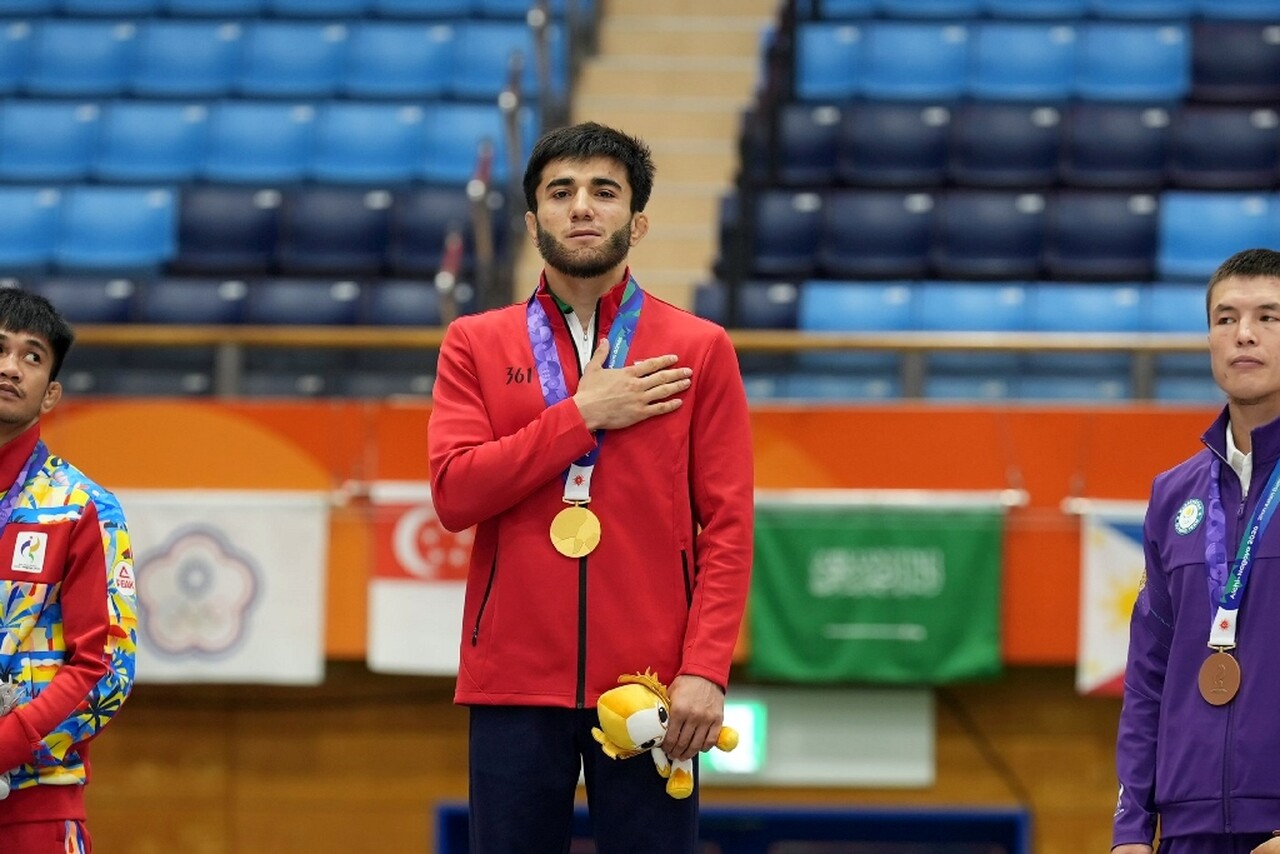
Tajikistan’s silver medalists were Behrouz Khurshedzoda in MMA; Shakarmamad Mirmamadov and Yosin Bobokalonov in kurash; Abdulmajid Kudiyev in freestyle wrestling; and Jahongir Majidov in judo.

The bronze medalists were Makhsatullo Muminov in karate; Sarvar Abdushukurov in kurash; boxers Akmal Ubaidov and Parviz Karimov; judokas Ahliya Muminova, Muhiddin Asadulloyev and Abubakr Sherov; and wrestlers Ayaal Belolyubsky and Viktor Rassadin.
All of Tajikistan’s gold medals came in amateur MMA, while the country did not win gold in Olympic sports at these Games.
Medal table led by China
China topped the final medal standings with 341 medals, including 169 gold, 89 silver and 83 bronze.
Host nation Japan finished second with 269 medals — 83 gold, 95 silver and 91 bronze — while South Korea was third with 150 medals, including 39 gold.
India ranked fourth with 85 medals, followed by Uzbekistan with 70. Iran was sixth with 52 medals, while Thailand, Kazakhstan, Hong Kong and Bahrain completed the top 10.
The medal table is ranked primarily by the number of gold medals, followed by silver and bronze. As a result, a country with fewer total medals can finish above another with a larger overall haul if it wins more gold medals.
For example, Kazakhstan won 84 medals — more than Uzbekistan’s 70 — but finished eighth because it won 12 gold medals compared with Uzbekistan’s 21. Saudi Arabia also won 17 medals but ranked below some countries with fewer medals because it collected fewer golds.
Tajikistan third among Central Asian nations
Uzbekistan was the best-performing Central Asian country, finishing fifth with 21 gold, 25 silver and 24 bronze medals.
Kazakhstan placed eighth with 12 gold, 24 silver and 48 bronze.
Tajikistan was the third-best Central Asian nation in 22nd place. Kyrgyzstan finished 26th with one gold, three silver and 10 bronze medals, while Turkmenistan placed 31st with two silver medals.
Together, the five Central Asian countries won 187 medals — 36 gold, 59 silver and 92 bronze.
Tajikistan’s Asian Games record
Before the 2026 Games, Tajikistan had won 35 medals across its previous Summer Asian Games appearances since making its debut at Hiroshima 1994.
Following the Aichi-Nagoya Games, the country’s all-time tally has risen to 51 medals — eight gold, 13 silver and 30 bronze.
The Games concluded on October 4 with the traditional handover of the Asian Games symbols to the next host. The Olympic Council of Asia flag was passed to representatives of Qatar, while the Games torch was handed over to Doha, which will host the XXI Summer Asian Games in 2030.
Qatar’s capital previously hosted the Asian Games in 2006.
All photos: Asian Games Organizing Committee